
Invited Sessions
TED-Style Session: Expanding Access and Representation in Genomic Research
This TED-style session will feature concise, idea-driven talks from researchers whose work advances equitable access, education, and participation in genomic science. The focus will be on community-centered research and responsible data stewardship, highlighting how data accessibility, transparency, representation, and engagement strengthen the quality and trustworthiness of genomic research. Speakers will share insights from programs that broaden participation in genetics and genomics, including the All of Us Research Program and ClinGen, and address issues surrounding genomic data availability and accessibility, information sovereignty, and ethical data use.
Discussions will also touch on how current entities handle consent and regulatory boundaries in genomic data sharing. This session format is designed to engage both scientific and community perspectives, encouraging attendees to consider practical approaches that ensure genomic discoveries are more accessible, representative and beneficial across populations, institutions, and countries.
By the end of this session, participants will be able to: Describe current approaches that expand community participation in genomic research and education. Discuss key issues related to data availability, information sovereignty, and responsible use of genomic information. Identify strategies that promote broader access to genomic resources and mentorship within the scientific community.
This session aims to inspire attendees to consider how educational outreach, ethical data practices, inclusive mentorship, and collaborative community engagement can strengthen genomic research. The TED-style format will provide concise, compelling talks that highlight real-world initiatives and actionable ideas for fostering trust, accessibility, and participation in the field.

Debra Murray, PhD
Debra Murray, PhD, a leader in equity, mentoring, and research education, is a recipient of the Norton Rose Fulbright Faculty Excellence Award in Educational Leadership.
She was awarded the All of Us Evenings With Genetics Research Program from the NIH All of Us Research Program. Dr. Murray is Director of Genetics/Genomics Education Programs in the Human Genome Sequencing Center, and an Associate Professor in the Molecular and Human Genetics Department and co-Director of the MHG Office of Community Engagement at Baylor College of Medicine (BCM). She provides faculty training opportunities and medical genetics training programs for MS1/MS2 students. She is a member of the Engagement, Communication, and Education (ECE) Team that provides community engagement research for the Intellectual and Developmental Disabilities Research Center (IDDRC).

Deborah Ritter, PhD
Harmonizing Cancer Variant Interpretation: New and Updated Standards for Clinical Practice
Standardized, objective, and evidence-based interpretation of cancer variants is essential to ensure the clinical utility of genetic and genomic testing in oncology. As cancer testing increasingly depends on complex genomic data, variations in classification and interpretation of detected abnormalities can lead to discrepancies in patient management, including diagnosis, prognostic assessment, and therapeutic decision-making. Recognizing the need for harmonized variant interpretation grounded in transparent and evidence-based criteria, professional organizations have worked collaboratively to develop standards for classifying the oncogenicity and clinical significance of diverse types of cancer genetic and genomic variants. These standards continue to evolve to reflect advances in knowledge, technology, and clinical practice in cancer genomics.
This session will provide an overview of the most recent revisions and updates to key standards for interpreting the oncogenicity and clinical significance of acquired cancer variants. It will highlight the latest version of the AMP/ASCO/CAP Standards and Guidelines for the Interpretation and Reporting of Sequence Variants, developed by a multidisciplinary AMP Clinical Practice Committee Working Group. Key updates to the four-tier system for clinical classification of somatic sequence variants and to the five types and levels of supporting evidence will be described and illustrated through multiple case examples.
The session will also provide an update on the ongoing joint initiative between ACMG, CGC, AMP, and CAP to revise the technical laboratory standards for interpretation and reporting of acquired numerical and structural genomic abnormalities and copy-neutral loss of heterozygosity (CN-LOH) in neoplastic disorders. Discussion will include incorporation of structural genomic abnormalities into the updated classification framework and efforts to harmonize interpretation of numerical, structural, and CN-LOH abnormalities with that of sequence variants.
Finally, the session will describe the ClinGen/CGC/VICC collaborative effort to expand the existing framework for classifying the oncogenicity of somatic sequence variants by developing systematic recommendations and procedures for evaluating oncogenicity of gene fusions. Testing for oncogenic fusions using both targeted panels and transcriptome-sequencing approaches has been steadily increasing in clinical laboratories; however, unlike sequence variants, no formal standards currently exist for objectively assessing the oncogenicity of gene fusions in cancer. This initiative aims to close that important practice gap and will be discussed in detail.
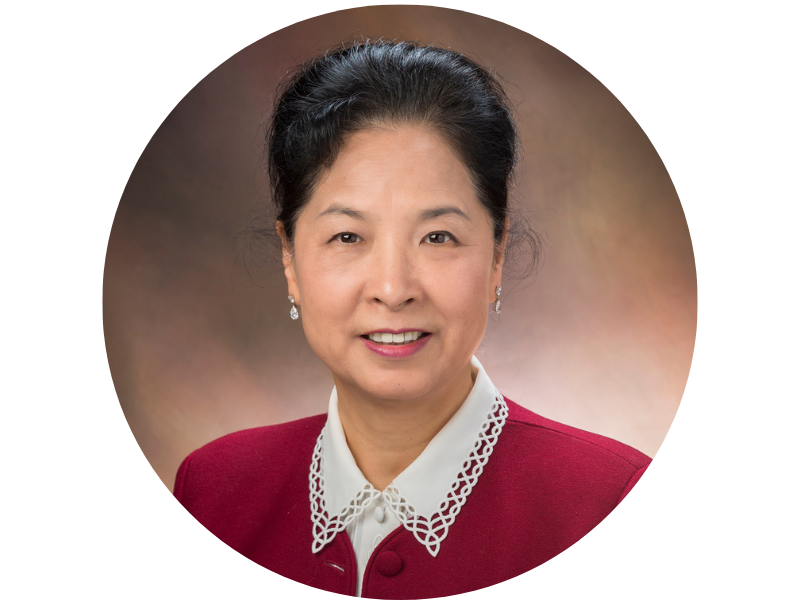
Marilyn Li, MD
Marilyn M. Li, MD, is a Professor of Pathology and Laboratory Medicine, Professor of Pediatrics, Associate Chair for Diversity, Equity, and Inclusion, Vice Chief of the Division of Genomic Diagnostics, Director of Cancer Genomic Diagnostics at Children's Hospital of Philadelphia, University of Pennsylvania, Perelman School of Medicine.
Dr. Li holds the American Board of Medical Genetics and Genomics certification in Clinical Cytogenetics and Clinical Molecular Genetics. She is a fellow of the American College of Medical Genetics (ACMG), Association for Molecular Pathology (AMP), American Society of Human Genetics (ASHG), American Association for Cancer Research (AACR), and American Society of Clinical Oncology (ASCO). She is the Chair of the AMP/ASCO/CAP Somatic Variant Interpretation Standards and Guidelines Working Group, and the co-chair of ClinGen Cancer Variant Interpretation Expert Panel. She also served on the ACMG Secondary Finding Committee.
Dr. Li's primary research interest is the clinical application of advanced and high throughput multi-omics technologies in conjunction with modern bioinformatics tools in cancer research and clinical diagnosis to facilitate precision cancer care. Her group has studied thousands of cancers using multi-omics approaches including custom-designed cancer-specific microarrays, next-generation sequencing panels, and cancer exomes/genome/transcriptome/methylome/circulome sequencing. Their experience demonstrated that these state-of-the-art technologies uncover multi-dimensional alterations in cancer that are essential for cancer diagnosis, risk stratification, therapeutic selection, and prevention.
She initiated, organized, and was the first president of the Cancer Genomics Consortium (CGC), an international consortium whose mission is to facilitate the development and utilization of cutting-edge technologies for high-quality, reliable cancer genetic testing in diagnostic laboratories. She is the recipient of the 2010-2011 Luminex/ACMGF Award for the promotion of safe and effective genetic testing and services, the Visionary Leadership Award of CGC in 2019, and the Excellence in Genetics Service Award by the Association of Chinese Geneticists in America in 2021. She has published over 150 peer-reviewed articles and has given more than 100 invited presentations and grand rounds nationally and worldwide. Other research projects in her lab include studies of common leukemia- and lymphoma-associated genetic aberrations in healthy individuals, mosaic overgrowth syndromes, and liquid biopsy in early cancer detection and prevention. She is an active member of the medical school and is involved in teaching medical students and PhD students and training residents and fellows.
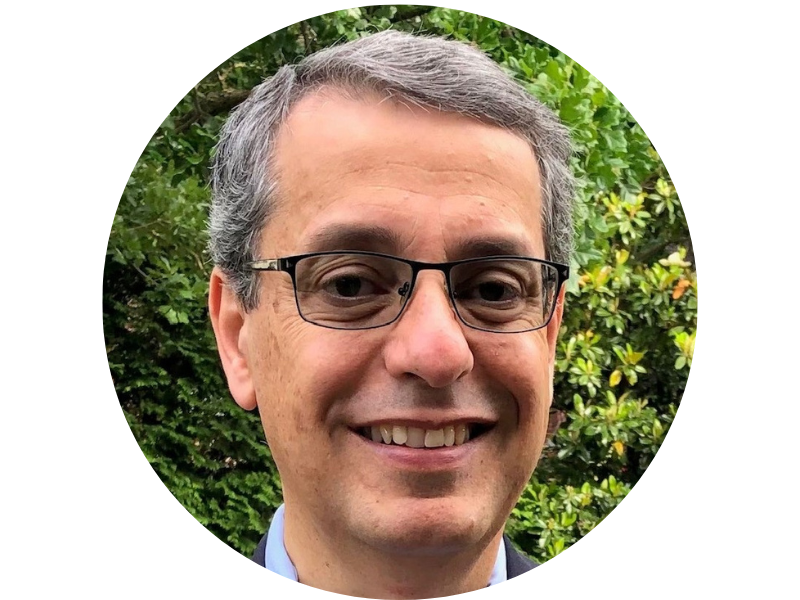
Fady Mikhail, MD, PhD, FACMG
Fady Mikhail, MD, PhD, is Professor of Clinical Genetics and Director of the Clinical Cytogenetics Laboratory at the University of Alabama at Birmingham (UAB). He is board certified in Clinical Cytogenetics by the American Board of Medical Genetics and Genomics (ABMGG) and has more than 20 years of post-graduate clinical experience.
Dr. Mikhail is a longstanding educator and leader in the field of cytogenetics, helping guide the development and implementation of cytogenetic testing for both constitutional disorders and hematologic malignancies. For a decade, he has served as a member and later Chair of the American College of Medical Genetics and Genomics (ACMG) Laboratory Quality Assurance Committee, where he has authored several influential technical standards for cytogenetic testing. He currently serves as President of the Cancer Genomics Consortium (CGC) and is a member of the CGC Board of Directors. In addition, he serves on the Cytogenetics Steering Committee of the Children's Oncology Group (COG) and is a member of the ACMG International Outreach and Engagement Committee (IOEC). Dr. Mikhail has authored more than 85 peer-reviewed publications and book chapters and is a co-investigator on multiple NIH and NCI grants.
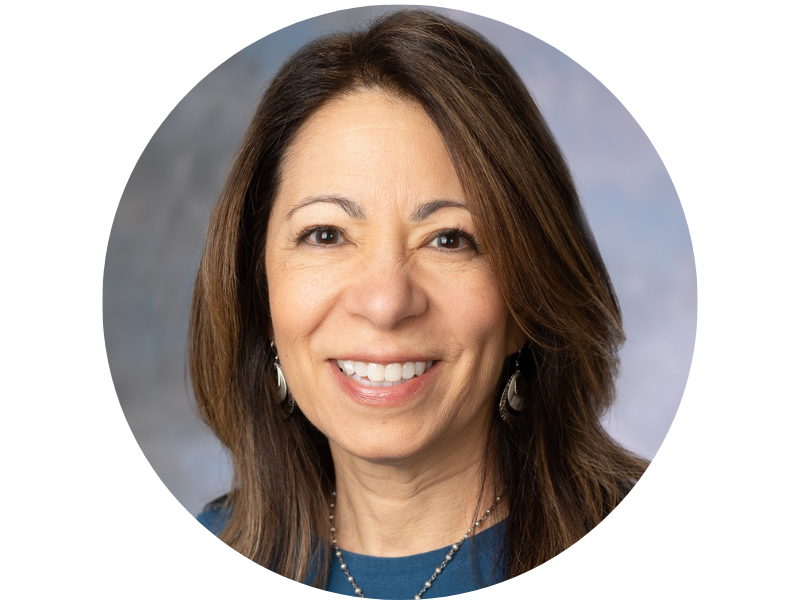
Karen Tsuchiya, MD
Karen Tsuchiya, MD, is board certified in Anatomic Pathology, Clinical Cytogenetics and Molecular Genetics. She has been a clinical laboratory director since 2004 and is now a Senior Director in the Institute for Genomic Medicine (IGM) Clinical Laboratory at Nationwide Children's Hospital.
Dr. Tsuchiya is currently responsible for validating, interpreting and reporting both somatic and constitutional cytogenetic and molecular tests. She previously served on committees for the College of American Pathologists for over 16 years, as a member and two-term chair of the CAP/ACMG Cytogenetics committee, and as a member of the Biochemical and Molecular Genetics committee. She is also the vice chair of the Children's Oncology Group Cytogenetics Committee and a co-lead of the ACMG/CAP FISH Technical Standards Updates workgroup, as well as the VICC Gene Fusion Oncogenicity workgroup.
Adapting Variant Interpretation Frameworks in Community Settings
A growing number of community-developed guidelines now support variant interpretation in cancers. These include the germline variant classification guidelines for cancer predisposition from the American College of Medical Genetics and Genomics and the Association for Molecular Pathology (ACMG/AMP); the somatic cancer variant clinical significance guidelines from AMP, the American Society of Clinical Oncology, and the College of American Pathologists (AMP/ASCO/CAP); and the somatic variant oncogenicity guidelines developed by the Clinical Genome Resource, Cancer Genomics Consortium, and the Variant Interpretation for Cancer Consortium (ClinGen/CGC/VICC). Yet these frameworks contain ambiguities, flexible rules, and domain-agnostic rubrics that are difficult to apply consistently across the breadth of clinical cancer genomics settings. As a result, expert groups and clinical laboratories routinely refine these guidelines to meet the specific needs and nuances of their practice.
In this session, we will examine how such adaptations occur in both clinical laboratory and expert panel contexts, and describe how contemporary genomic knowledge standards from the Global Alliance for Genomics and Health (GA4GH) enable dissemination and interoperability of knowledge from these heterogeneous adaptations across the clinical genomics community.
The session will begin with an overview of the expert panel development process used by Somatic Cancer Variant Curation Expert Panels (SC-VCEPs) within the ClinGen Somatic Cancer Consortium. These panels adapt community frameworks to gene-specific contexts through the ClinGen rule development and piloting process. We will illustrate this with examples of SC-VCEP specifications of variant oncogenicity guidelines, including refinements for functional assays, variant databases, and prediction algorithms, as well as extensions to new variant types such as gene fusions curated by the NTRK fusion SC-VCEP. These oncogenicity specifications will be discussed alongside corresponding clinical significance (diagnostic, prognostic, and drug response) classifications, with attention to gene-specific implementations of the somatic clinical significance guidelines. We will contextualize these outputs as publicly available curation data in the CIViC knowledgebase.
Next, we will explore how clinical laboratories implement community guidelines within the operational and interpretive constraints of clinical practice. Drawing from implementation at the Institute for Genomic Medicine (Nationwide Children's Hospital), we will describe a clinically validated standard operating procedure and supporting software (VarCat) for classifying oncogenicity and clinical significance in pediatric cancers. We will highlight key modifications needed to systematically apply community frameworks to pediatric tumor contexts and generalize these lessons to broader challenges faced by other diagnostic laboratories. Application of these strategies will be demonstrated through the open-source VarCat clinical variant classification platform. We will conclude with an overview of how different local conventions for applying community guidelines can be made interoperable through genomic knowledge exchange standards. We will describe contemporary GA4GH standards developed to support this goal and demonstrate how they facilitate dissemination of knowledge from the SC-VCEP and clinical laboratory use cases presented earlier in the session.
The session will close with practical guidance on strategies and tools for laboratories to adapt and integrate these standards into their clinical interpretation workflows.
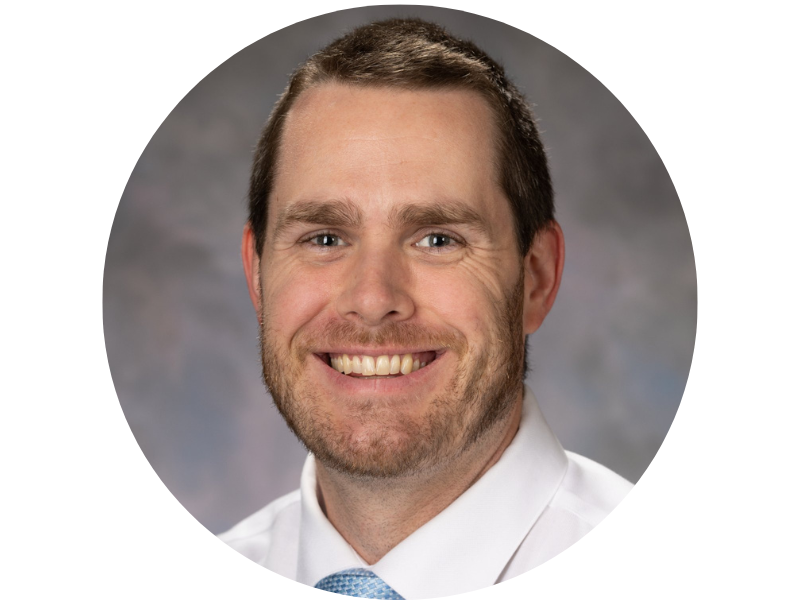
Wesley Goar, PhD
Wesley Goar, PhD, heads the Genomics Systems and Data Integration team at the Steve and Cindy Rasmussen Institute for Genomic Medicine at Nationwide Children's Hospital in Columbus, Ohio.
With more than 11-years of experience in computational genetics and bioinformatics, he bridges research and clinical practice by building standards-driven infrastructure for sequencing, data integration and variant interpretation. His team develops applications, pipelines, and workflows that adhere to ACMG/AMP, AMP/ASCO/CAP and ClinGen/CGC/VICC guidelines.
Wesley is a key architect of the Variation Categorizer (VarCat), a web interface that enables structured and reusable somatic variant classification using the ClinGen/CGC/VICC oncogenicity and AMP/ASCO/CAP frameworks. His team also recently developed a web interface for assessing gene fusion and internal tandem duplication events called from RNA sequencing to support clinical operations.
An engaged member of the Cancer Genomics Consortium (CGC), Wesley serves on the board of directors and the Genomic Resources Development Committee. He is the program manager for the Variant Interpretation for Cancer Consortium (VICC) and coordinates its Gene Fusion Oncogenicity initiative. Beyond CGC, he participates in the ClinGen Somatic Established Significance SC-VCEP and contributes to GA4GH standards such as the Variant Representation Specification and Categorical Variation Specification. Recent collaborations include co-authoring the NIH Bridge2AI recommendations for AI-ready genomic datasets. Through these roles, Wesley champions rigorous data standards, interoperability and open tools to improve cancer genomics and patient care.
Jason Saliba, PhD
Jason Saliba, PhD, is an instructor in the Griffith laboratory at the Washington University School of Medicine.
Dr. Saliba’s focus is the development and improvement of protocols, classification guidelines, and training methods related to the curation and interpretation of clinically significant information that advances precision medicine in cancer. He was the first full-time editor of the Clinical Interpretation of Variants in Cancer (CIViC) knowledgebase, which is an open-access, open-source, and community-driven web resource built for the curation and interpretation of somatic variant evidence. Dr. Saliba is the program manager and coordinator of the ClinGen Somatic Cancer Affiliate and coordinates several ClinGen Somatic Cancer Variant Curation Expert Panels (SC-VCEPS) including NTRK fusions, FGFR, FLT3, and Histone H34 SC-VCEPs. He also serves as a project leader for the ClinGen Somatic Cancer and Variant Interpretation for Cancer Consortium (VICC) Virtual Molecular Tumor Board Case Series, which is presented by the American College of Medical Genetics and Genomics (ACMG). Dr. Saliba became a Cancer Genomic Consortium (CGC) member in 2021, has been involved in planning the ClinGen/VICC/CIViC/CGC Unconference since 2022, and serves on the 2026 CGC Program Committee. Dr. Saliba strives to aid consistent consensus cancer variant interpretation through facilitating collaboration between cancer professionals spanning academia, the clinic, and industry.
Alex Wagner, PhD
Alex Wagner, PhD, is an Assistant Professor at the Institute for Genomic Medicine at Nationwide Children's Hospital and The Ohio State University.
His research focuses on computational genomics, variant interpretation, and the development of standards and infrastructure for sharing genomic knowledge in precision medicine. He is a Principal Investigator of the ClinGen Somatic Cancer consortium and the CIViC cancer variant knowledgebase, co-lead of the GA4GH Genomic Knowledge Standards Work Stream, and chair of the HGVS variant nomenclature committee. His laboratory develops tools and data standards that enable interoperable exchange of variant interpretation knowledge across community resources and clinical systems, with a focus on improving genomic evaluation of pediatric cancers.
Establishing Clinical Pharmacogenomics Testing: Assays, Implementation, and Resources
Pharmacogenomics (PGx) is rapidly evolving into a cornerstone of precision medicine, yet its clinical implementation continues to face challenges in assay selection, workflow integration, and data harmonization. This session offers a practical, laboratory-focused exploration of how leading clinical molecular laboratories have successfully built, validated, and integrated PGx programs.
The first presentation, by Dr. Stuart Scott, Director - Clinical Genomics lab from Stanford, will outline the technical and regulatory considerations involved in establishing a PGx testing program. Key discussion topics will include validation strategies for single-gene versus multi-gene panels, criteria for selecting appropriate testing platforms (genotyping arrays, targeted sequencing, or NGS-based assays), and the development of clinical guidelines for result interpretation and reporting.
The second speaker, Dr. Sherin Shaaban from ARUP Laboratories will focus on operationalizing PGx testing within the clinical workflow. Drawing on experience from a high-throughput national reference laboratory, this presentation will detail how to design pre-analytical, analytical, and post-analytical workflows that ensure test quality, timely turnaround, and clinical relevance. The session will also examine strategies for provider education, report standardization, and electronic health record (EHR) integration to of PGx reports to promote clinical adoption.
In the final presentation, Dr. Teri Kline at Stanford University, will showcase the evolving landscape of PGx knowledgebases and interpretation tools. The talk will demystify commonly used resources, including ClinPGx, CPIC, PharmVar, and PharmCAT, highlighting their distinct purposes and strengths. Attendees will learn how these databases synergize to support variant curation, clinical annotation, and clinical decision support tools for PGx testing.
By combining insights from PGx laboratory setup, relevant guidelines, clinical implementation, and PGx knowledgebases, this invited session will provide attendees with an exciting and comprehensive understanding of how to build robust, clinically impactful PGx testing programs.
Wahab Khan, PhD, FACMG
Wahab A. Khan, PhD, FACMG is an Assistant Professor of Pathology and Laboratory Medicine at Dartmouth College and serves as a clinical cytogeneticist/molecular geneticist in the Department of Pathology at Dartmouth Health.
His work focuses on interpreting human genomes from the chromosomal to the DNA level, with an interest in genomic sequence and structural variant data analyses. He has also helped develop pharmacogenetic testing program at Dartmouth to inform genotype-guided medication dosing. He actively publishes on these topics, leveraging emerging technologies in human genetics and genomics.
Stuart Scott, PhD, FACMG
Stuart Scott, PhD, FACMG, is a Professor in the Department of Pathology at Stanford University and Director of the Stanford Medicine Clinical Genomics Laboratory, where he oversees genomic test innovation and implementation.
He is certified by the American Board of Medical Genetics and Genomics (ABMGG) in Clinical Molecular Genetics and Clinical Cytogenetics and Genomics, and his translational research interests include human genomics, pharmacogenomics, cytogenomics, long-read sequencing, and the implementation of genomic medicine. Dr. Scott is on the steering committees of the Clinical Pharmacogenetics Implementation (CPIC) and the Pharmacogene Variation (PharmVar) Consortia; and previously or currently is a member of the Association for Molecular Pathology (AMP) Pharmacogenomics Working Group, International Union of Basic and Clinical Pharmacology (IUPHAR), and other national consortia on genomic medicine (ClinGen, eMERGE, IGNITE, UDN, GREGoR). He has published over 170 peer-reviewed manuscripts and book chapters on clinical genomics, and is an invited Scientific Editor of the Medical Genetics Summaries (MGS) from the NCBI/NIH/NLM. Dr. Scott received the 2011 William Bowes Jr Award in Medical Genetics from Partners HealthCare Center for Personalized Genetic Medicine, Harvard Medical School, and the 2012 Dr. Harold and Golden Lamport Research Award from the Icahn School of Medicine at Mount Sinai.
Sherin Shaaban, MD, PhD, FACMG
Sherin Shaaban, MD, PhD, FACMG, is an Associate Professor of Pathology at the University of Utah School of Medicine, and the medical director of pharmacogenetics and molecular genetics at ARUP Laboratories.
She graduated from Mansoura University Medical School in Egypt, then went on to obtain a PhD in Human Genetics at the Graduate School of Medicine Dentistry and Pharmaceutical Science at Okayama University in Japan. After a genetics research fellowship at Harvard Medical School and Boston Children's Hospital, she finished a clinical molecular genetics fellowship at the department of Genetics and Genomics of Icahn School of Medicine at Mount Sinai, NY.
Dr. Shaaban is board-certified in molecular genetics and genomics as well as in laboratory genetics and genomics by the American Board of Medical Genetics and Genomics. She is a fellow of the American College of Medical Genetics and Genomics. Her research and academic interests focus on the implementation of pharmacogenetics testing, personalized genomics and molecular genetic testing for rare inherited diseases.
Navigating Variant Classification in Low Penetrance Genes and Variants
This session will explore the evolving landscape of variant classification in low to moderate penetrance genes and variants with lower penetrance for otherwise high penetrance disorders, an increasingly critical issue in hereditary cancer genomics testing. We are drawing on experiences from multiple ClinGen expert panels and the ClinGen Low Penetrance Working Group. Risk alleles and low-penetrance variants are now recognized as distinct variant classes from those causing highly penetrant disease that require special considerations regarding their clinical classification and reporting.
The session will highlight how ClinGen variant curation expert panels (VCEP) have adapted their specifications to address evidence types that assume high penetrance, variants with limited data, and uncertain clinical associations. The session will explore how ClinGen panels and the Low Penetrance Working Group have refined evidence strength, thresholds, and the use of functional data to better capture intermediate risk and variable expression.
Case examples/presentations (~10 min per presenter) will illustrate how specific thresholds, variant type and integration of harmonization within the clinical community will be discussed. We will also solicit questions or examples from registrants before the conference to encourage discussion during the latter half of the session.
Sharon Plon, MD, PhD, FACMG
Sharon Plon, MD, PhD, FACMG, is a board-certified medical geneticist who holds the Dan L Duncan Comprehensive Cancer Center Professorship at Baylor College of Medicine in the Departments of Pediatrics and Molecular and Human Genetics and is a member of the Human Genome Sequencing Center.
She has a longstanding career as a cancer genetics researcher with a focus on identifying new cancer susceptibility genes and studying the implementation of genomic testing in medicine. Dr. Plon served as Principal Investigator with Donald (Will) Parsons and Amy McGuire on the NHGRI/NCI-U01 Texas KidsCanSeq multi-institutional trial that studied the incorporation of CLIA clinical genome-scale exome sequencing into the care of childhood cancer patients and currently co-chairs the germline reporting effort of the national NCI/COG Pediatric MATCH Precision Oncology trial which incorporated germline testing into a national treatment trial of children with refractory cancer. Since 2013, Dr. Plon has served as one of the Principal Investigators of the Clinical Genome (ClinGen) Resource and co-chairs the Hereditary Cancer Clinical Domain with over ten variant and gene curation expert panels. Most recently, Dr. Plon is leading a new Alex’s Lemonade Stand Foundation project to explore the most effective way to incorporate childhood cancer predisposition gene analysis into newborn screening.
Marcy Richardson, PhD
Marcy Richardson, PhD, graduated from Georgetown University with her PhD in Tumor Biology in 2009. Dr. Richardson then joined the University of California, San Diego as post-doctoral fellow researching epigenetics.
She began working as a Variant Assessment Scientist at Ambry Genetics in 2015 where she focused on developing variant classification guidelines and investigating complex variants in cancer predisposition genes. Currently, as the Director of Clinical Research, Dr. Richardson leads a team scientists who are focused on the analysis and dissemination of genetic data to advance science and medicine. In this role, she guides both independent research and fosters collaborations around the globe. Dr. Richardson participates in and has a leadership role in several expert panels including ENIGMA, InSiGHT, GA4GH, and the HBOP (co-chair), BRCA1/2 (expert) and APC (expert) ClinGen Variant Curation Expert Panels (VCEPs).

Ryan Schmidt, MD, PhD
Ryan Schmidt, MD, PhD, is an Assistant Professor of Clinical Pathology at the Keck School of Medicine of the University of Southern California and Assistant Director of the Clinical Genomics Laboratory and Faculty Operations Director for the Division of Genomic Medicine in the Department of Pathology and Laboratory Medicine at Children’s Hospital Los Angeles.
Dr. Schmidt received his PhD in Neuroscience from the University of California, Los Angeles, and his MD from UCLA David Geffen School of Medicine. Dr. Schmidt completed a Molecular Genetic Pathology fellowship at Harvard Medical School and a Clinical Pathology residency at Brigham and Women’s Hospital.
Dr. Schmidt works to advance the practice of molecular diagnostics through the development of innovative tests and software, professional guidelines and standards development, advocacy, and operational excellence. Dr. Schmidt serves as the co-chair of the ClinGen Low Penetrance/Risk Allele Working Group, which seeks to harmonize practices surrounding variants at the low end of the penetrance spectrum. His work in this area has highlighted current challenges and contributed to the development of consensus terminology and improved variant classification frameworks.